- hisolar@cnhisolar.com
- +86-13905874507
A power inverter with a transfer switch is an advanced power conversion device that not only converts direct current (DC) into alternating current (AC) for use by various electrical appliances, but also has a built-in automatic transfer switch function. This kind of equipment is usually used in situations where uninterruptible power supply is required. It can automatically switch to a backup power source (such as a battery) to continue supplying power when the power grid is cut off or other power supplies are interrupted, thereby ensuring the continuity and stability of power.
Function and composition
Applications
Power inverters with transfer switches are suitable for a variety of occasions that require uninterruptible power supply support, such as home backup power, outdoor activities, emergency rescue, medical equipment support, remote communication sites, etc. It provides a stable and reliable power solution for these applications, ensuring the normal operation of critical equipment and systems, especially when encountering unstable power grids or power outages.
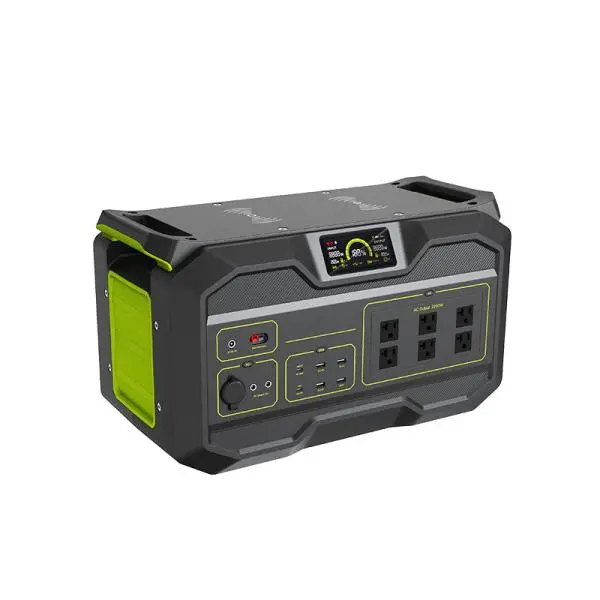
Choosing the right power inverter with transfer switch requires consideration of several aspects to ensure the device meets your specific needs. Here are some key selection criteria:
1. Power requirements
2. Input and output voltage
3. Waveform output
4. Conversion efficiency
5. Brand and quality
6. Additional functions
7. Budget and Costs
Installing and operating a power inverter with a transfer switch is a process that requires care and correct operation to ensure the equipment operates safely and efficiently. Below are general steps and considerations, but be sure to refer to the user manual for your specific inverter.
Choose the right location:
Install the inverter:
Connect the output load:
Check wiring:
Turn on the inverter:
Power inverters with transfer switches offer several advantages and are therefore suitable for a variety of scenarios:
Advantage
Applicable scene
Maintaining and maintaining a power inverter with a transfer switch is key to ensuring its long-term stable operation. Proper maintenance not only extends the life of the inverter, but also improves its operating efficiency and safety. Here are some basic maintenance and care recommendations:
Periodic inspection
Clean and dustproof
Battery maintenance
If the inverter is connected to a battery, the battery also needs to be maintained regularly:
Software update
If the inverter supports software or firmware updates, check regularly and update to the latest version for performance improvements or new features.
Professional inspection
The practical effect of power inverters with transfer switches in home and commercial applications is that they can provide stable and reliable power support, especially when faced with unstable power grids or scenarios that require uninterruptible power supplies (UPS). . Here are some specific effects and impacts in home and commercial applications:
Home application
Commercial applications
Whether for home or commercial applications, power inverters with transfer switches have demonstrated their actual value and effect by providing stable and reliable power, ensuring the continuous operation of key equipment, and optimizing energy use. These advantages make inverters an indispensable part of modern power needs, especially in today’s pursuit of energy efficiency and reliability. The role of inverters has become increasingly prominent.
We will respond to your inquiry within 24 hours
We value your privacy
We use cookies to improve your browsing experience, deliver personalized content, and analyze our traffic.